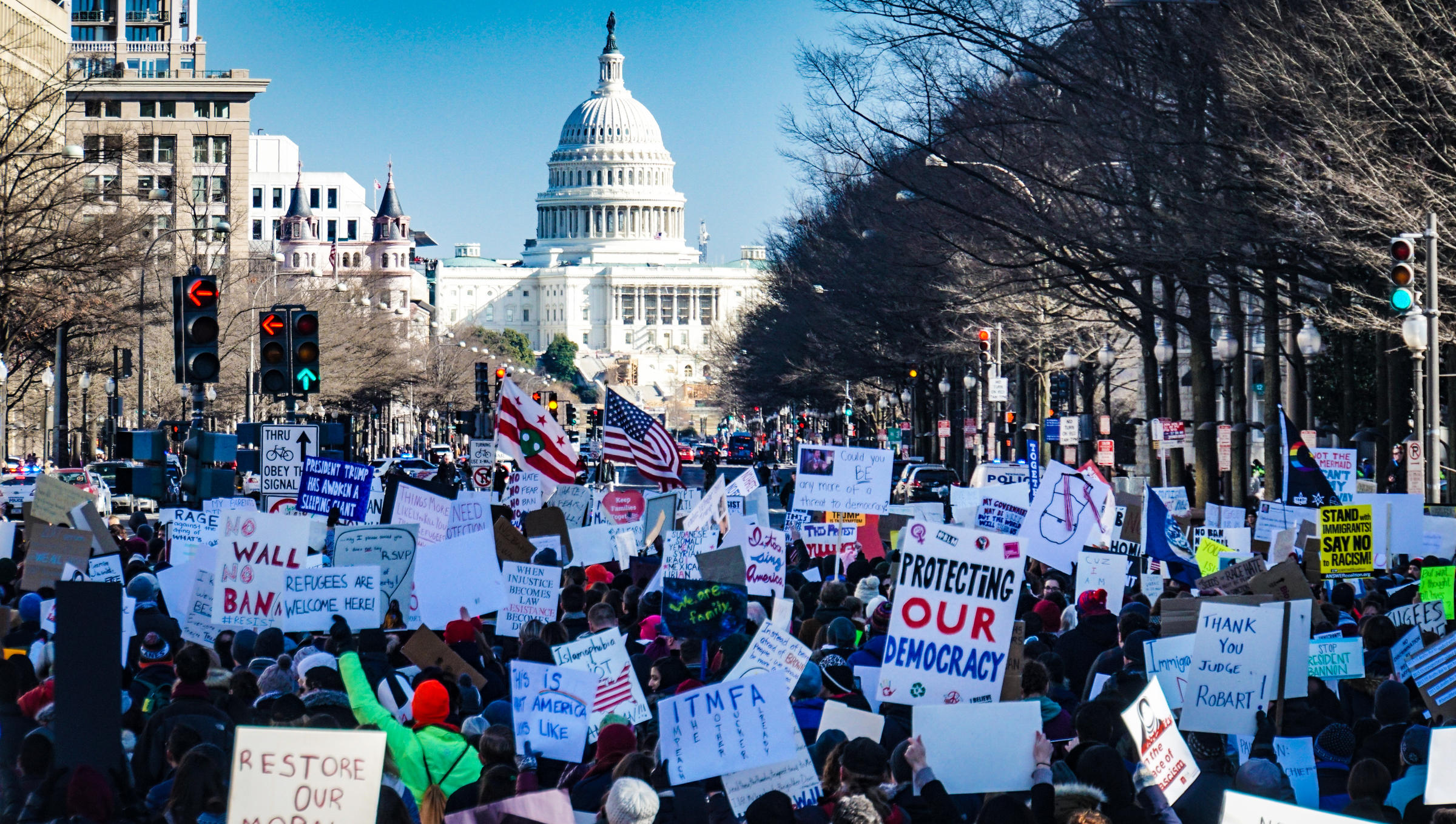
The societal divide we are living through is a strange and interesting one, and most of it plays out online. It is a divide full of contradictions — more visibility and more suffering at once, more tools than ever and a deepening mental health crisis, more connection and more loneliness. I don't have all of this figured out. But I've been trying to write down how I see it, honestly, and where I think the road ahead leads.
A community as visible as ever — and still suffering
The queer community right now is as alive and visible as it has ever been. More people are openly LGBTQ+ than at any point we have data for: Gallup's share of U.S. adults who identify as LGBTQ+ has more than doubled in just over a decade, and among Gen Z it is close to one in four.1 An estimated 2.8 million people aged thirteen and older in the United States now identify as transgender.2 And yet, for all of that visibility, queer people still suffer tremendously — especially trans people and nonbinary people.
Visibility has been a double-edged thing. Being nonbinary or trans has gained real cultural recognition, but it has also already been fetishized by a society that tends to consume difference before it accepts it. More people than ever accept trans women as women and trans men as men — and that matters — but acceptance on paper has not ended the persecution. In Pew's 2025 survey, only about one in ten Americans said there is a great deal or a fair amount of social acceptance for transgender and nonbinary people, and roughly half said there is little or none, a stark gap from how the same respondents viewed gay and lesbian people.3 Recognition and safety are not the same thing.
The masculinity crisis on the other side
On the complete opposite end of this divide, there is a masculinity crisis that has been building for decades — really for centuries — out of generational patriarchal trauma. The political distance between young men and young women has widened into one of the sharpest splits in American life,4 with young men in particular drifting toward the right.5 Unfortunately, many of these same suffering men have concluded that non-cis-men are the only people free of fault for the global, geopolitical, and economic mess we have ended up in. Two-thirds of young men now regularly engage with online "masculinity influencers," a loose, largely antifeminist network that researchers warn can normalize misogyny and act as an on-ramp toward more extreme politics.6
Charismatic figures at a desperate time
This is where it gets dangerous. In my view, figures like Jordan Peterson, Tucker Carlson, and Ben Shapiro twist the frustrations of young men toward radical extremism — toward misogyny, anti-immigrant resentment, and ideologies that sit uncomfortably close to white supremacy. Analysts who study the online right have described commentators like these as a "gateway" inside the recommendation algorithm, where a young man is only a click or two away from genuinely extremist content.7 These are dangerous, dangerous things to spread, and they are most dangerous in desperate economic times — when a charismatic voice offering someone to blame is the easiest thing in the world to sell.
Capitalism, the debt, and the long road
Underneath all of this is an economic story. Capitalism has led us into a kind of post-consumerist depression, and we haven't figured a way out of it. Many people argue for syndicalist and democratic-socialist strategies — rank-and-file organizing, or the "long march through the institutions" that Rudi Dutschke described in the late 1960s.8 I tend to agree with them, personally. But none of that comes quickly, or easily, or without bitter work. And I'll be honest: I am guilty of not doing enough.
The clock is not exactly still, either. What will we do if U.S. bonds fall out of favor and we have to face the consequences of that on top of a national debt that already feels insurmountable? In 2025, Moody's stripped the United States of its last top-tier credit rating, pointing to more than a decade of rising debt and widening deficits.9 I do not know the answers.
So much uncelebrated culture
We are deeply divided, and yet we have also brought about so much uncelebrated culture. In the United States especially, it is difficult to recognize, track, or understand our subcultures, large or small. It is far easier to look back on a decade as if it were culturally unified, when in truth it never was. We have a mental health crisis. But we also have more tools than ever — and that is the part I keep coming back to.
The needs we should build around
We have to shape technology around our real needs. We need to spend more time outdoors. We need more vacation time, less addictive phones and software, fewer push notifications. We need higher wages — pay for the typical worker has badly lagged behind productivity for more than forty years.10 We need universal healthcare, better and freer higher education, and free childcare. Those are the goals we should build technology around — not sycophant machines, and not walking back green energy. We shouldn't be emboldening the free market; we should be regulating it.
There are potholes all over the road ahead of us, and we need to fill the ones right in front of us first. We need to empower forgotten communities with stellar education and public services — and right now the country underfunds its public schools by something on the order of $150 billion a year, with the deepest shortfalls falling on the poorest students.11 We need reliable, accessible, and abundant public transportation, even as many transit agencies stare down a fiscal cliff now that federal pandemic aid has run out.12 And we need wealth taxes on the rich to fund those public services, especially in underserved rural communities.
I'd give two reasons for that. First, it is simply the ethical and responsible thing to do. Second — and this is the more selfish reason — those communities will benefit for generations, and in turn they will return more in tax dollars over the long run as their real chances at success rise. When people are taken care of, they do incredible things. If we don't trust in that, then we don't trust in humanity. We have to help those who are suffering most, first.
Where the hope is
I hope we can work toward a more inclusive society, and I see so many people already trying. Even many of those on the far right, I think, mean well (mostly) — they are just deeply confused. A lot of young people are pushing for huge change, and that gives me hope. I want a world where there are no rich and no poor. I want a world where everyone gets the equal human rights and respect they deserve. I want a world that we care for, where we do not submit to lustful materialism. I believe it's possible — but not without incredible cultural and political change.
Notes
- "LGBTQ+ Identification in U.S. Rises to 9.3%," Gallup, accessed June 4, 2026, https://news.gallup.com/poll/656708/lgbtq-identification-rises.aspx. ↩
- "New Estimate: 2.8 Million People Aged 13 and Older Identify as Transgender in the US," Williams Institute, UCLA School of Law, accessed June 4, 2026, https://williamsinstitute.law.ucla.edu/press/trans-pop-estimates-press-release/. ↩
- "The Experiences of LGBTQ Americans Today," Pew Research Center, May 29, 2025, https://www.pewresearch.org/social-trends/2025/05/29/the-experiences-of-lgbtq-americans-today/. ↩
- "The Growing Gender Gap Among Young People," Brookings Institution, accessed June 4, 2026, https://www.brookings.edu/articles/the-growing-gender-gap-among-young-people/. ↩
- "Partisanship, Ideology and Young Americans: Young Men May Be Trending More Republican, but Not Necessarily More Conservative," PRRI, accessed June 4, 2026, https://prri.org/spotlight/partisanship-ideology-and-young-americans-young-men-may-be-trending-more-republican-but-not-necessarily-more-conservative/. ↩
- "What Is the Manosphere and Why Should We Care?," UN Women, 2025, https://www.unwomen.org/en/articles/explainer/what-is-the-manosphere-and-why-should-we-care. ↩
- "Political Influencers and the Alt-Right Pipeline," Virginia Review of Politics, October 26, 2020, https://virginiapolitics.org/online/2020/10/26/political-influencers-and-the-alt-right-pipeline. ↩
- Olof Hallonsten, "The Long March Through the Institutions and the Fifth Wave of Juridification," Constellations, 2025, https://onlinelibrary.wiley.com/doi/10.1111/1467-8675.12791. ↩
- "Moody's Downgraded Its US Credit Rating and Warns That Recent Policy Decisions Will Worsen the Fiscal Outlook," Peter G. Peterson Foundation, accessed June 4, 2026, https://www.pgpf.org/article/moodys-downgraded-its-us-credit-rating-and-warns-that-recent-policy-decisions-will-worsen-fiscal-outlook/. ↩
- "Wage Stagnation in Nine Charts," Economic Policy Institute, accessed June 4, 2026, https://www.epi.org/publication/charting-wage-stagnation/. ↩
- "TCF Study Finds U.S. Schools Underfunded by Nearly $150 Billion Annually," The Century Foundation, accessed June 4, 2026, https://tcf.org/content/about-tcf/tcf-study-finds-u-s-schools-underfunded-nearly-150-billion-annually/. ↩
- "Public Transit Agencies Face Severe Fiscal Cliff," American Public Transportation Association, June 2023, https://www.apta.com/wp-content/uploads/APTA-Survey-Brief-Fiscal-Cliff-June-2023.pdf. ↩
Bibliography
American Public Transportation Association. "Public Transit Agencies Face Severe Fiscal Cliff." June 2023. https://www.apta.com/wp-content/uploads/APTA-Survey-Brief-Fiscal-Cliff-June-2023.pdf.
Brookings Institution. "The Growing Gender Gap Among Young People." Accessed June 4, 2026. https://www.brookings.edu/articles/the-growing-gender-gap-among-young-people/.
Economic Policy Institute. "Wage Stagnation in Nine Charts." Accessed June 4, 2026. https://www.epi.org/publication/charting-wage-stagnation/.
Gallup. "LGBTQ+ Identification in U.S. Rises to 9.3%." Accessed June 4, 2026. https://news.gallup.com/poll/656708/lgbtq-identification-rises.aspx.
Hallonsten, Olof. "The Long March Through the Institutions and the Fifth Wave of Juridification." Constellations, 2025. https://onlinelibrary.wiley.com/doi/10.1111/1467-8675.12791.
Peter G. Peterson Foundation. "Moody's Downgraded Its US Credit Rating and Warns That Recent Policy Decisions Will Worsen the Fiscal Outlook." Accessed June 4, 2026. https://www.pgpf.org/article/moodys-downgraded-its-us-credit-rating-and-warns-that-recent-policy-decisions-will-worsen-fiscal-outlook/.
Pew Research Center. "The Experiences of LGBTQ Americans Today." May 29, 2025. https://www.pewresearch.org/social-trends/2025/05/29/the-experiences-of-lgbtq-americans-today/.
PRRI. "Partisanship, Ideology and Young Americans: Young Men May Be Trending More Republican, but Not Necessarily More Conservative." Accessed June 4, 2026. https://prri.org/spotlight/partisanship-ideology-and-young-americans-young-men-may-be-trending-more-republican-but-not-necessarily-more-conservative/.
The Century Foundation. "TCF Study Finds U.S. Schools Underfunded by Nearly $150 Billion Annually." Accessed June 4, 2026. https://tcf.org/content/about-tcf/tcf-study-finds-u-s-schools-underfunded-nearly-150-billion-annually/.
UN Women. "What Is the Manosphere and Why Should We Care?" 2025. https://www.unwomen.org/en/articles/explainer/what-is-the-manosphere-and-why-should-we-care.
Virginia Review of Politics. "Political Influencers and the Alt-Right Pipeline." October 26, 2020. https://virginiapolitics.org/online/2020/10/26/political-influencers-and-the-alt-right-pipeline.
Williams Institute, UCLA School of Law. "New Estimate: 2.8 Million People Aged 13 and Older Identify as Transgender in the US." Accessed June 4, 2026. https://williamsinstitute.law.ucla.edu/press/trans-pop-estimates-press-release/.